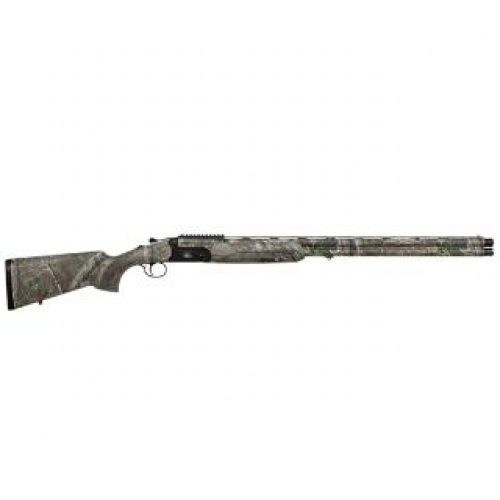
Dove and waterfowl in North Carolina: seasons, shot and shotguns
The North Carolina shotgun year starts in a cut sunflower field in early September and ends in a layout boat on a cold sound at the end of January. The two ends of it ask for different guns, different chokes and different shells. Here are the 2026-27 seasons, the rules that catch people out, and what to carry.
Dove: the September opener
Mourning dove season for 2026-27 runs in three segments: September 5 to October 10, November 7 to 28 and December 16 to January 30, with a daily limit of 15 doves, counted together with white-winged doves. The opening weekend is the social event of the hunting year in the eastern half of the state, and most of it happens on private fields around sunflower, corn or millet.
Shooting hours, baiting rules and the definition of a normal agricultural planting are federal matters and are worth reading in the current regulations digest each year, because a field that looks fine can be baited by a well-meaning landowner. Some game land dove fields also require non-toxic shot even though dove hunting elsewhere does not; check the game land listing before you fill a bag with lead sevens.
Ducks and geese: the winter seasons
North Carolina splits duck hunting into an inland zone and a coastal zone. For 2026-27:
- Inland zone: October 15 to 17, November 7 to 28 and December 18 to January 30.
- Coastal zone: October 23 and 24, November 7 to 28 and December 17 to January 30.
The daily limit is six ducks with species restrictions inside that total, and those sub-limits change from season to season, so read the current digest rather than last year's. For 2026-27 the Commission increased the daily limit for Canada and white-fronted geese in the northeast hunt zone from one to two.
The famous water is in the northeast: Currituck and Albemarle sounds near Elizabeth City, the Pamlico and Core sounds behind Morehead City, the big impoundments at Mattamuskeet and Pungo, and the brackish creeks around Jacksonville, New Bern and Wilmington. Inland, beaver ponds, river swamps and flooded corn along the Tar, Neuse and Yadkin hold wood ducks and mallards.
The rules that catch people out
- Non-toxic shot. No one may take waterfowl while carrying shells loaded with anything other than steel or another approved non-toxic material. That includes the shell in your pocket from a dove hunt.
- Three-shell plug. Repeating shotguns must be plugged to hold no more than three shells in magazine and chamber combined.
- Licence stack. You need a state hunting licence, the migratory game bird privilege, HIP certification and a federal duck stamp. Get the stamp before opening morning, not on the way home.
- Sunday. Migratory bird hunting on Sunday is only allowed where the Commission specifically authorises it, and the general Sunday rules still apply: nothing between 9:30 a.m. and 12:30 p.m., and nothing within 500 yards of a place of religious worship.
Shotguns for the dove field
September in eastern North Carolina is hot, the birds come from every angle and a good field means a lot of shooting. What works:
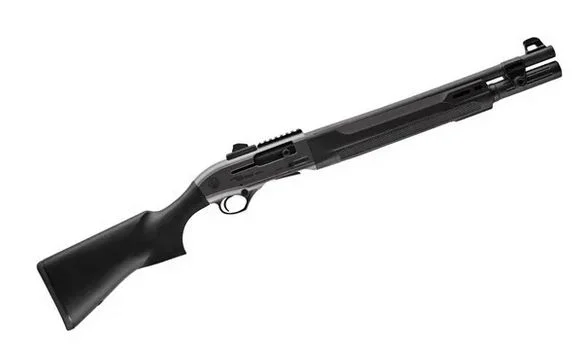
- Gas semi-automatic 12 or 20 gauge. The softest recoil per shell, which matters when you fire four boxes in an afternoon. A 28-inch barrel with an improved cylinder choke covers decoying birds, modified for high ones.
- Over-and-under 20 gauge. Lighter to carry to the field, two chokes at once, and easier to keep clean in dust and sunflower stalks.
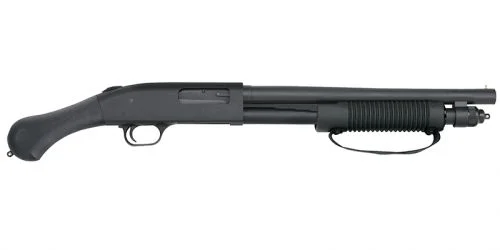
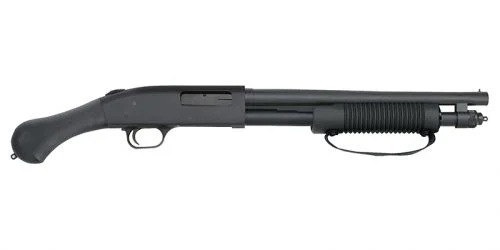
- Pump 12 gauge. The cheapest way in, and still the most common gun on any dove field in the state.
- Loads: 1 ounce of 7.5 or 8 shot at moderate velocity in 12 gauge, 7/8 ounce in 20 gauge. Heavier loads do not add birds, only bruises.
Shotguns for the water
Duck hunting on the sounds is a different job: cold salt spray, heavy loads, long days and a gun that gets wet. What works:
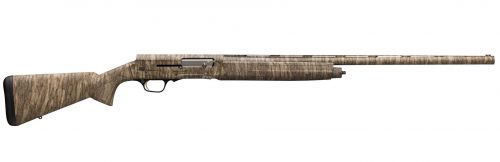
- 3-inch 12 gauge semi-automatic with a synthetic stock and a corrosion-resistant finish. This is the standard sound-country gun for good reason. Inertia actions stay reliable when they are dirty and cold; gas actions soften the recoil of heavy steel.
- Pump 12 gauge. Nothing keeps working in ice and mud quite like it, and there is no argument about whether the gas system is clean.
- 20 gauge 3-inch. Increasingly common for wood ducks and teal over decoys in flooded timber and beaver ponds, with modern steel loads that fly well.
- Chokes: improved cylinder or modified for decoying ducks, and a dedicated waterfowl choke for steel if you shoot divers at distance. Do not use a fixed full choke from the 1960s with steel shot.
- Loads: 3-inch steel 2 or 3 for puddle ducks over decoys, BB or BBB for geese and big divers, and 4 shot in 20 gauge for wood ducks.
Setting a gun up for the coast
Salt water is harder on a shotgun than any amount of shooting. Rinse the gun with fresh water and dry it the same day, oil lightly, and keep a spare set of springs and O-rings for a gas gun. A sling helps more than it looks like it will when you are carrying decoys. A cheap dry bag in the boat is better than an expensive gun case that fills with spray.
Blaze orange is not required for migratory birds, but a good headlamp is, and so is some way to keep shells dry. If you hunt public water, read the game land or refuge listing carefully: several impoundments run permit-only hunts on set days.
Buying
Every shotgun in our catalog ships to the licensed dealer you choose, and shells, chokes and gear ship to your door. Pickup works the same as for any firearm, with no state permit and no waiting period, as explained in the North Carolina gun law guide. If your winter plans also involve deer, the deer season guide covers the zones and dates, and the city directory has local notes from Elizabeth City to Morehead City.
General information, not legal advice. Current as of September 2026. Laws change; check the official source before you act.